

Career & Industry Insights
How Artificial Intelligence is Reshaping the Manufacturing Industry
March 14, 2026 | By IATEC Expert Panel
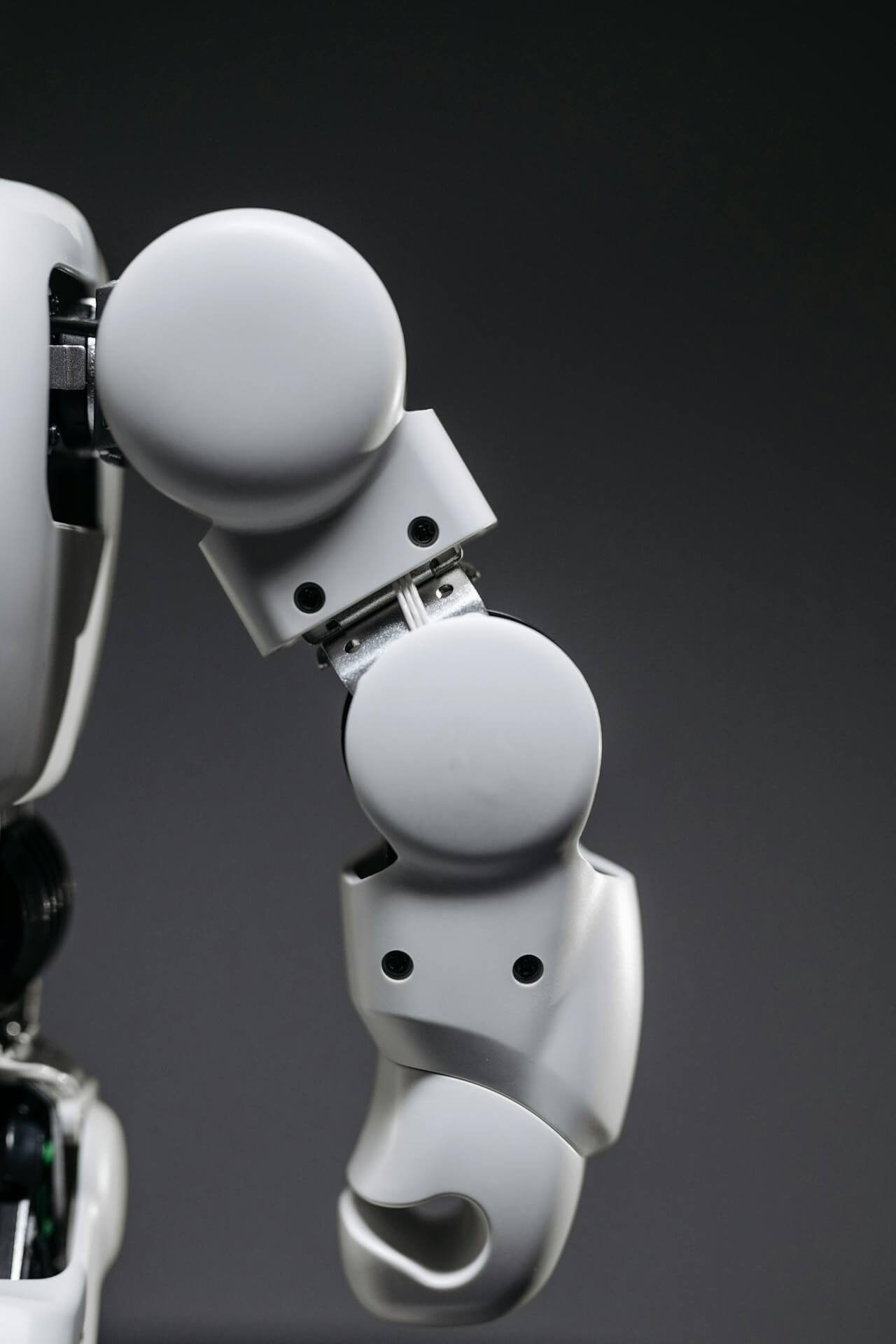
The image of a traditional factory—loud, labor-intensive, and prone to unpredictable downtime—is rapidly becoming a relic of the past. As we transition from Industry 4.0 to Industry 5.0, a new driving force has entered the production line: Artificial Intelligence (AI).
AI is no longer just a software buzzword confined to tech companies. It is actively orchestrating supply chains, predicting machine failures, and managing quality control on factory floors worldwide. For professionals in the manufacturing sector, understanding this shift is no longer optional; it is the key to career survival.
From Reactive to Predictive: The Power of Machine Learning
Historically, factory maintenance operated on two models: run-to-failure (fixing it when it breaks) or scheduled maintenance (fixing it whether it needs it or not). Both are costly and inefficient.
Today, Predictive Maintenance powered by Machine Learning algorithms is changing the game. By analyzing real-time data from IoT (Internet of Things) sensors placed on machinery, AI can detect microscopic vibrations or temperature changes. It can predict exactly when a bearing will fail or a motor will overheat, allowing technicians to replace parts before production stops. This single application saves industries millions of dollars annually in unplanned downtime.
Machine Vision and Quality Control
Human error is inevitable, especially when inspecting thousands of identical parts over a long shift. AI-driven Machine Vision systems never get tired. Using high-definition cameras and deep learning models, these systems can spot microscopic defects—a hairline fracture in a microchip or a misaligned seam in an automotive part—in milliseconds. This ensures that only perfect products leave the facility, drastically reducing waste and product recalls.
The Rise of the “AI Factory” and Digital Twins
The most advanced application of this technology is the concept of the Smart Factory or Cyber-Physical System. Before a physical layout is even built, engineers use AI to create a Digital Twin—a perfect virtual replica of the factory.
In this virtual space, plant directors can simulate changes to the production line, test new autonomous robotics, and optimize workflows without risking a single dollar of actual production. Once perfected in the digital world, the AI system implements the changes in the physical world, paving the way for “lights-out” manufacturing where facilities operate autonomously around the clock.
The Human Element: Upgrading the Workforce
A common fear is that AI will replace manufacturing jobs. While it is true that repetitive manual labor is being automated, AI is simultaneously creating a massive demand for a new type of worker. The industry needs professionals who can build the algorithms, manage the robotics, and architect these complex cyber-physical systems.
The factory worker of the future is not a manual laborer; they are an orchestrator of technology.
Closing the Skills Gap
To thrive in this new industrial revolution, professionals must upskill. Understanding how to integrate IT (Information Technology) with OT (Operational Technology) is where the highest salaries and most secure jobs are found.
At IATEC, our industry-aligned curriculum is built to create the architects of tomorrow’s production lines.
Are you ready to lead the smart factory revolution?
Explore these programs to gain the high-demand skills driving Industry 5.0: